*Some links on this page are affiliate links. I may earn a small commission if you make a purchase to help support my site — at no extra cost to you. I only recommend products I trust and would personally use in my own collection.
How to Get Started in Collecting Baseball Cards
If you’re new to baseball card collecting—or getting back into it after many years as I have done at times—you’re in the right place. I’ve been collecting baseball cards for over 40 years, and through all the changes in the hobby, one thing has always stayed the same: collecting should be fun. Thats how I view this hobby.
That’s what Frank’s Card Corner is all about—enjoying the hobby, learning along the way, and appreciating the history behind the cards. Whether you’re opening your first pack or rediscovering a childhood passion, here’s how I recommend getting started the right way to get the most out of the hobby.
Start With What You Love About Baseball
When I started collecting as a kid, I wasn’t thinking about value, grading, or future returns. I collected because I loved playing baseball and the players I watched on the field. That’s still the best advice I can give today.
Start with your favorite team, favorite players, or an era of baseball that means something to you. Collecting what you enjoy keeps the hobby exciting and personal. If you’re passionate about what you’re collecting, you’ll never feel like you wasted your time or money. If you are getting into this hobby solely looking to tear open packs looking for rare gems, don’t even bother. It’s a gamble, and takes the real enjoyment out of what this hobby is all about. The one thing I love most about this hobby, is taking out my collection and showing it to people, reliving my childhood as a card collector and baseball lover.
Decide Your Collecting Style Early
One of the biggest lessons I’ve learned over the decades is that there’s no single way to collect baseball cards. Some collectors enjoy building complete sets. Others focus on rookie cards, Hall of Famers, autographs, or vintage classics. Some love ripping modern packs, while others prefer carefully selecting individual cards. I’ve focused on almost all areas in the beginning, and sticking mainly to set building, collecting stars and cards of my favorite team, The New York Mets.
Before you dive in too deep, decide what kind of collector you want to be. Are you collecting purely for fun and nostalgia, long-term value, or a mix of both? Knowing this upfront will help you stay focused and avoid impulse buys you may regret later.
Learn the Basics of the Hobby
Today’s hobby is more complex than it was years ago, so learning the basics is important. Take time to understand card condition, the difference between modern and vintage cards, and common hobby terms like rookie cards, inserts, parallels, and short prints. Up until around the early 1990’s, collecting was more simplified with base sets from three main companies, Topps, Fleer and Donruss. Now, there are many different releases of sets and versions of card to look out for.
Grading is also a big part of collecting now. Companies like PSA, BGS, and SGC play a major role in how cards are valued. Even if you never plan to submit cards for grading, knowing how grading works will help you make smarter buying decisions.
Start Small and Build Over Time
You don’t need a big budget to enjoy baseball card collecting. Some of the most meaningful cards in my collection aren’t the most expensive ones—they’re the cards tied to memories, players, or moments in baseball history. When I take out my collection with friends and family, we sometimes have more memories nd discussions over common players than we do stars.
Start with affordable singles, team lots, or cards that catch your eye. As you learn more and refine your focus, you can gradually invest in higher-end cards that truly fit your collection.
Protect and Organize Your Cards
Proper storage is something every collector should take seriously. Protect your cards with penny sleeves, top loaders, semi-rigid holders, or magnetic cases depending on the card. Store your collection in a cool, dry place and keep it away from sunlight and moisture.
Staying organized—by team, year, set, or player—not only protects your cards but also makes collecting more enjoyable and easier to sort through. It’s a great feeling to actually know what you have and be able to find it easily.
Shop Baseball Card Supplies
Support Local Card Shops and the Hobby Community
Local card shops and card shows have always been a big part of the hobby for me. They’re great places to learn, ask questions, and connect with other collectors. Over the years, I’ve picked up countless tips and stories just by talking baseball cards with other fans.
If you buy online, stick with trusted sellers and reputable platforms, such as BBC Exchange, who authenticates unopened inventory. Always check feedback and don’t hesitate to ask questions before making a purchase.
Don’t Chase Every Hot Trend
The hobby goes through ups and downs, and I’ve seen plenty of trends come and go. My advice is simple: don’t chase the hype. Collect what you enjoy and what fits your personal goals. Remember, the long term value is in your love for the card.
If a card increases in value, that’s a bonus. If it doesn’t, you’ll still have a collection you’re proud of—and that’s what really matters.
Enjoy the Hobby
Baseball card collecting is about more than just cards. It’s about memories, stories, and a lifelong connection to the game. After more than four decades in the hobby, I can honestly say that the enjoyment has always outweighed the price tags. It also formed a great bond between me and my father.
If you’re just getting started, take your time, learn as you go, and have fun with it. That’s how I’ve approached collecting all these years—and it’s exactly what Frank’s Card Corner is all about.
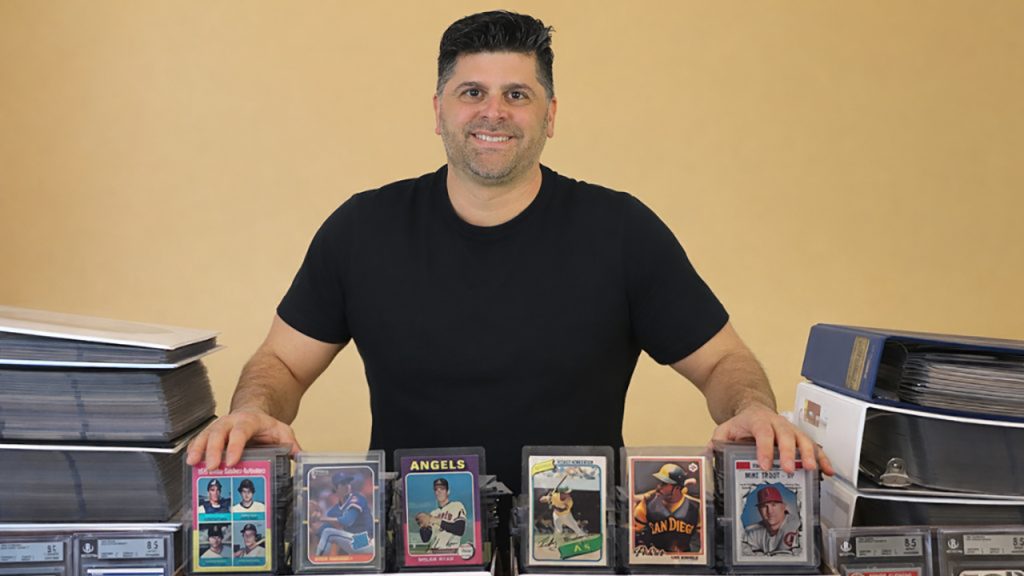
About Frank

Frank is a lifelong baseball card collector with over 40 years of hands-on experience in the hobby. He has a passion a passion for vintage and modern cards, rookie cards, complete sets, and the stories behind them. Through Frank’s Card Corner, he shares real-world advice, hobby insights, and lessons learned from decades of collecting—focused on keeping the hobby fun.